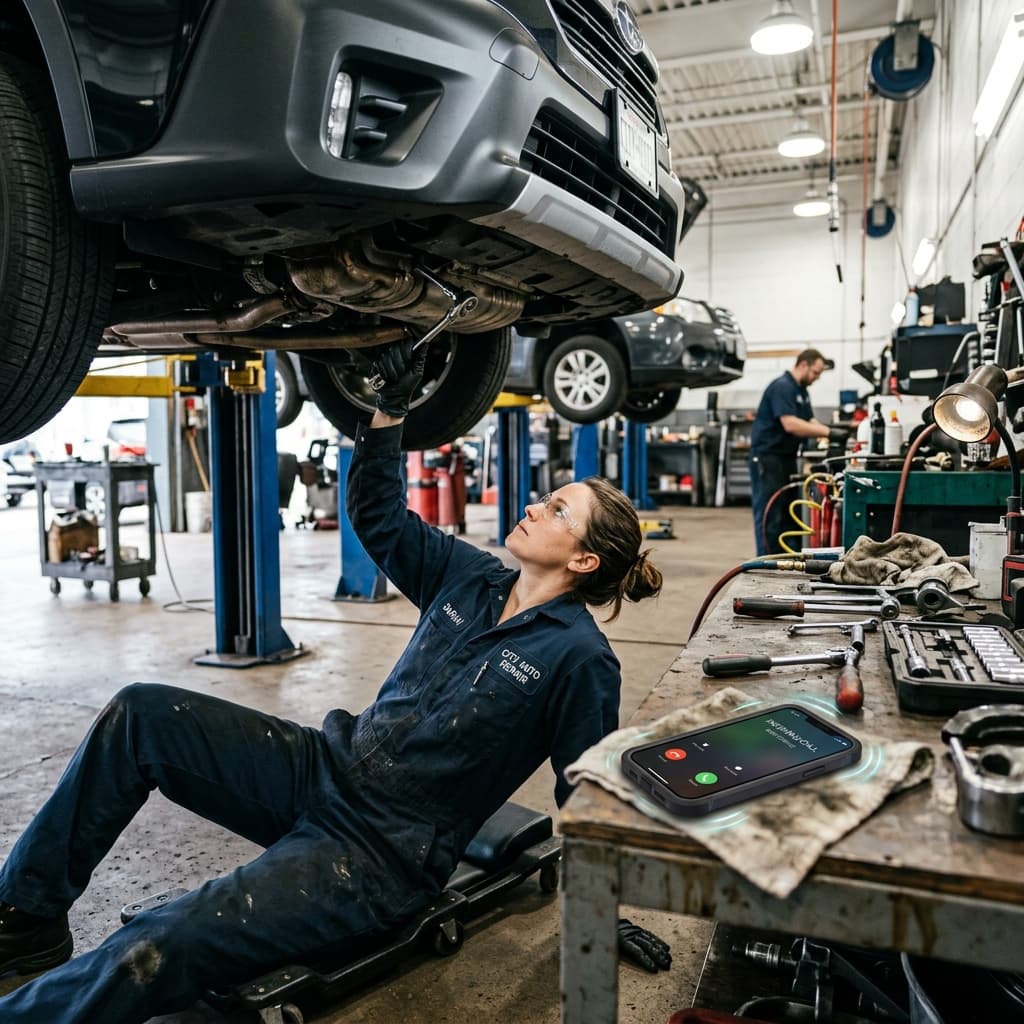
You're under a car, mid-groom, or three streets away on a call-out. The phone rings. By the time your hands are free, the caller has hung up — and called the next shop down the list. That ring you didn't catch wasn't a nuisance. It was a job, and it just went to a competitor.
For solo operators and small service shops, the missed call is the single most expensive thing that happens all day, precisely because it's invisible. There's no bounced email in your inbox, no abandoned cart to retarget — just silence where revenue should have been. This guide breaks down what those calls actually cost you and, more usefully, five concrete ways to stop the bleed without hiring a receptionist.
The real cost of a missed call
Industry studies put hard numbers on it. Small businesses leave a large share of their inbound calls unanswered, and roughly 80% of callers who reach voicemail hang up without leaving a message. Of the people who can't get through, about 62% simply call a competitor instead. For a shop that lives on local demand, that means a missed call is usually a permanently lost customer, not a delayed one — and aggregated estimates put the lost revenue for an average small business in the tens of thousands of dollars a year.1
Now do the math on what one customer is worth to you, not in a single transaction but over a relationship. An auto shop's first-time brake job leads to oil changes, inspections, and the customer's spouse's car. A groomer's first nervous-puppy appointment becomes a standing every-six-weeks booking for a decade. When you lose the first call, you don't lose one ticket — you lose the whole tail.
Do your own number
Do customers call back after a missed call?
Usually not. Caller-behavior studies consistently find that around 85% of people who reach a business's voicemail never call back — they move straight to the next result in their search. The flip side is the opportunity: when a business responds fast with a text, the same research reports that an automated reply sent within about a minute recovers the large majority of those otherwise-lost leads. Speed, not luck, decides whether a missed call turns into a booking.1
Why service businesses miss so many calls
The reflex is to feel guilty about it, but the truth is structural: the work that earns you money is the same work that makes you unreachable. You can't hold a phone and a torque wrench. The busier you are — which is to say, the better business is — the more calls you miss. Success quietly caps itself.
The usual culprits:
- Hands-busy work. You're physically mid-task and can't stop without ruining what you're doing.
- After-hours demand. A huge share of booking intent happens in the evening and on weekends, when people finally sit down to deal with their to-do list — and you're closed.
- Phone tag. You call back, they're now busy, they call back, you're busy again. Half of these never connect.
- Voicemail aversion. Most people under 40 simply won't leave one. To them, voicemail is a dead end.
5 ways to stop losing customers to missed calls
You don't need to answer every call live — that's impossible and you know it. You need to make sure every request is captured, even when you can't pick up. Here are five fixes, roughly in order of effort-to-payoff.
1. Add a way to book that doesn't need you
The highest-leverage change is putting a booking option on your website that works while your hands are full. When someone can describe what they need and leave their details in under a minute, the call they would've abandoned becomes a request sitting in your inbox. This is exactly what an AI intake assistant does — more on that below.
2. Set up an instant text-back on missed calls
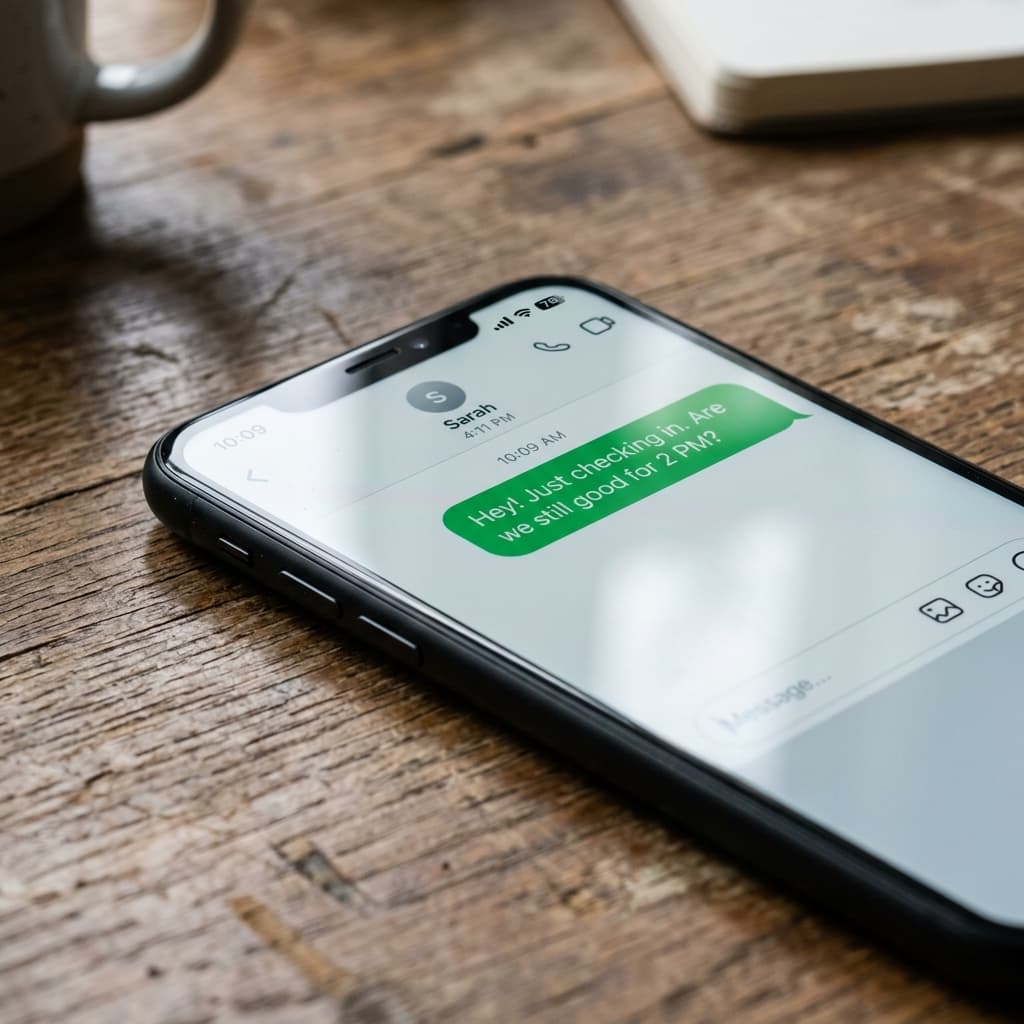
If a call goes unanswered, an automatic "Sorry we missed you — what can we help with?" text turns a dead end into a conversation. Texts get read; voicemails don't.
3. Capture requests after hours
A surprising amount of demand arrives when you're closed. Any channel that collects the job details overnight — and is waiting for you in the morning — recovers revenue you currently never even see.
4. Get notified the instant a request comes in
Speed-to-lead is decisive in local services: the business that responds first usually wins. A request that pings your phone the second it's submitted lets you reply while the customer is still deciding.
5. Collect the right details up front
Half the back-and-forth of booking is just gathering basics — vehicle and symptom, breed and service, address and preferred time. Capture those at the point of request and the job is half-booked before you've spoken a word.
Turn the calls you miss into requests you keep
IntakePilot puts a 24/7 AI assistant on your site that collects the job details and texts you the moment someone wants to book — even while you’re elbow-deep in work.
What to automate first
If you only do one thing this month, do this: give people a way to start a booking that doesn't depend on you being free, and make sure it reaches you instantly. Everything else — reminders, follow-ups, calendars — is optimization. Capture is survival.
The shape that works best for hands-busy trades is an AI intake chat living right on your existing site. It greets the visitor, asks the few questions you'd ask anyway, confirms the details, and notifies you by text and email. No app for the customer to download, no account to create, no phone for you to answer.
Vertical-specific guides
Turning missed calls into booked jobs
Missed calls feel like the cost of doing business. They're not — they're the cost of being reachable only by phone. The moment you add a second door that's always open, the calls you can't catch stop being lost revenue and start being requests waiting for you. Your phone stops running your evenings, and the jobs that used to slip to the competition start landing in your inbox instead.
If you're weighing tools, our breakdown of IntakePilot vs Calendly vs Booksy compares the common options for service businesses.
Sources
- Aggregated small-business call-handling and missed-call statistics: Missed Call Statistics (SchedulingKit) and Business Call Statistics (Aira). Figures are industry aggregates and vary by source and sector.
Stop letting requests slip away
IntakePilot answers on your site 24/7 and texts you the moment a new request comes in. Setup takes about 10 minutes.
Frequently asked questions
Keep reading
Online Booking for Auto Repair Shops: A 2026 Setup Guide
Why repair shops need intake — not a dentist-style calendar — and how to get a vehicle-aware booking page live in an afternoon without a developer.

IntakePilot vs Calendly vs Booksy: The Honest Comparison
Calendly, Booksy, or an AI intake assistant? An honest, side-by-side comparison for small service businesses — where each tool wins and how to pick.